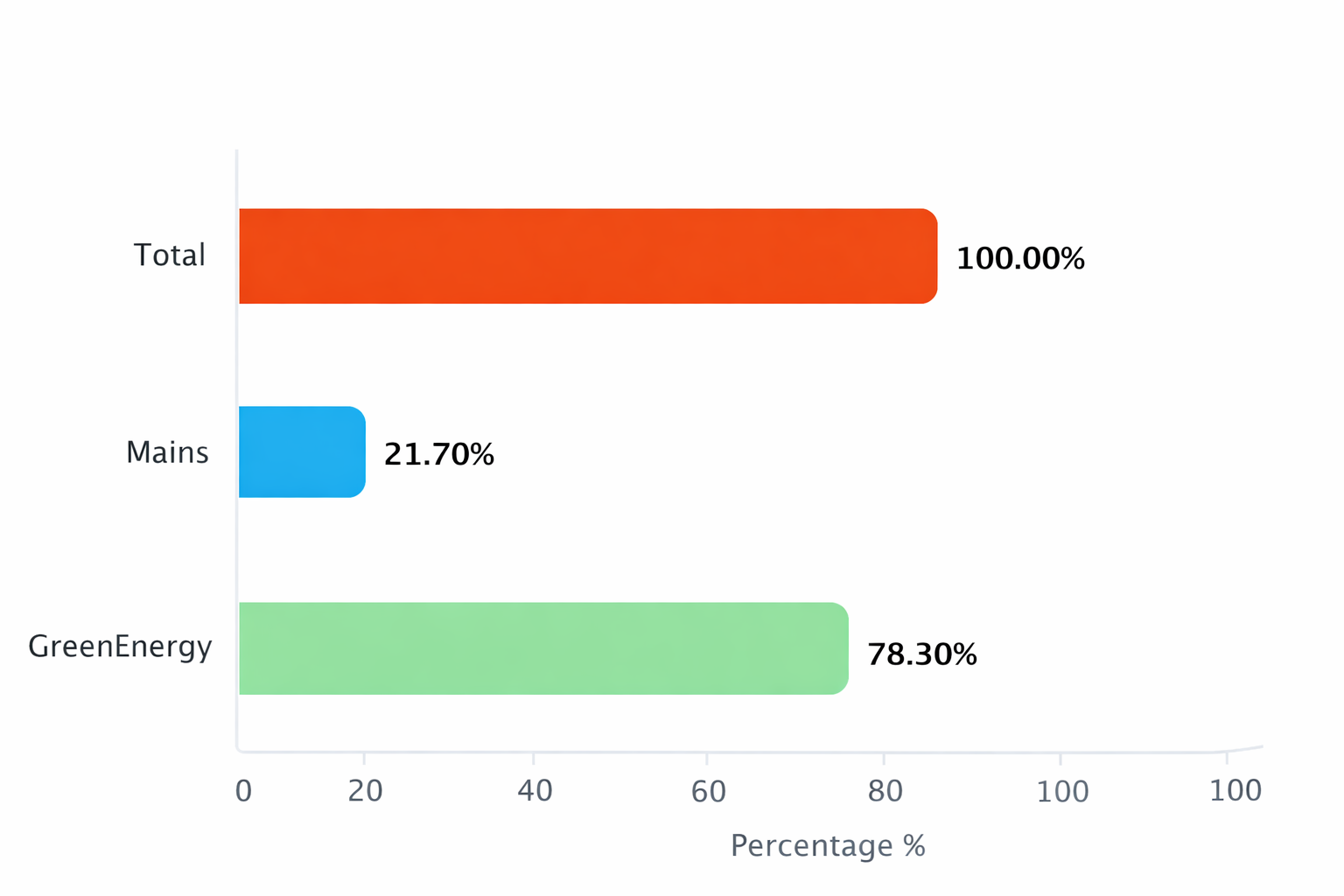
As global manufacturing shifts toward sustainability and carbon transparency, renewable energy integration has become a strategic priority rather than a compliance exercise. For manufacturers supplying to international markets—especially Europe—energy usage, emissions visibility, and operational discipline are now critical evaluation factors.
At Gorecha Metals, renewable energy adoption is embedded into manufacturing operations to support long-term sustainability, energy efficiency, and evolving global climate regulations.
Manufacturing processes such as metal casting are inherently energy intensive. Electricity consumption during melting, machining, and finishing stages directly contributes to carbon emissions and operating costs.
By integrating renewable energy, manufacturers can:
Renewable energy is no longer just an environmental initiative—it is a commercial and operational advantage.
Solar power offers a reliable and scalable clean energy solution for industrial applications. Solar installations enable manufacturers to offset grid electricity consumption while maintaining uninterrupted production.
At Gorecha Metals, solar energy contributes to:
Solar power strengthens manufacturing resilience while supporting measurable sustainability outcomes.
Renewable energy delivers maximum value when paired with intelligent energy monitoring systems. Gorecha Metals uses IoT-based smart energy monitoring to track real-time electricity consumption and renewable energy utilisation.
This approach enables:
By managing energy at the source, sustainability becomes an operational discipline rather than a post-production reporting activity.
Global OEMs increasingly evaluate suppliers based on environmental responsibility, transparency, and long-term climate alignment. Renewable energy integration enhances supplier credibility and supports stable, future-ready supply chains.
As carbon accountability becomes a sourcing criterion, manufacturers that invest early in clean energy and data-driven energy management are better positioned to meet evolving regulatory and customer expectations.
The future of manufacturing lies in responsible energy use, transparent operations, and sustainable growth. Renewable energy integration, supported by smart monitoring systems, enables manufacturers to reduce environmental impact while strengthening operational control.
At Gorecha Metals, sustainability is designed into manufacturing processes—supporting low-carbon production, operational efficiency, and long-term global competitiveness.

Whether you need a custom solution or expert guidance, we’re just a call or email away. Contact us today!